Written by Speed Service
Honest, hands-on advice from our workshop at 99 Cross Keys Rd, Salisbury.
We review our guides as workshop advice and Australian road rules change.
The short version
Short on time? Here's what this guide covers — scroll on for the detail.
- Red lights: stop and act now
- Amber lights: get it checked soon
- Green and blue lights: just information
- When to take it seriously
Not sure where your car's at? We'll check it for you — call 0481 309 775.
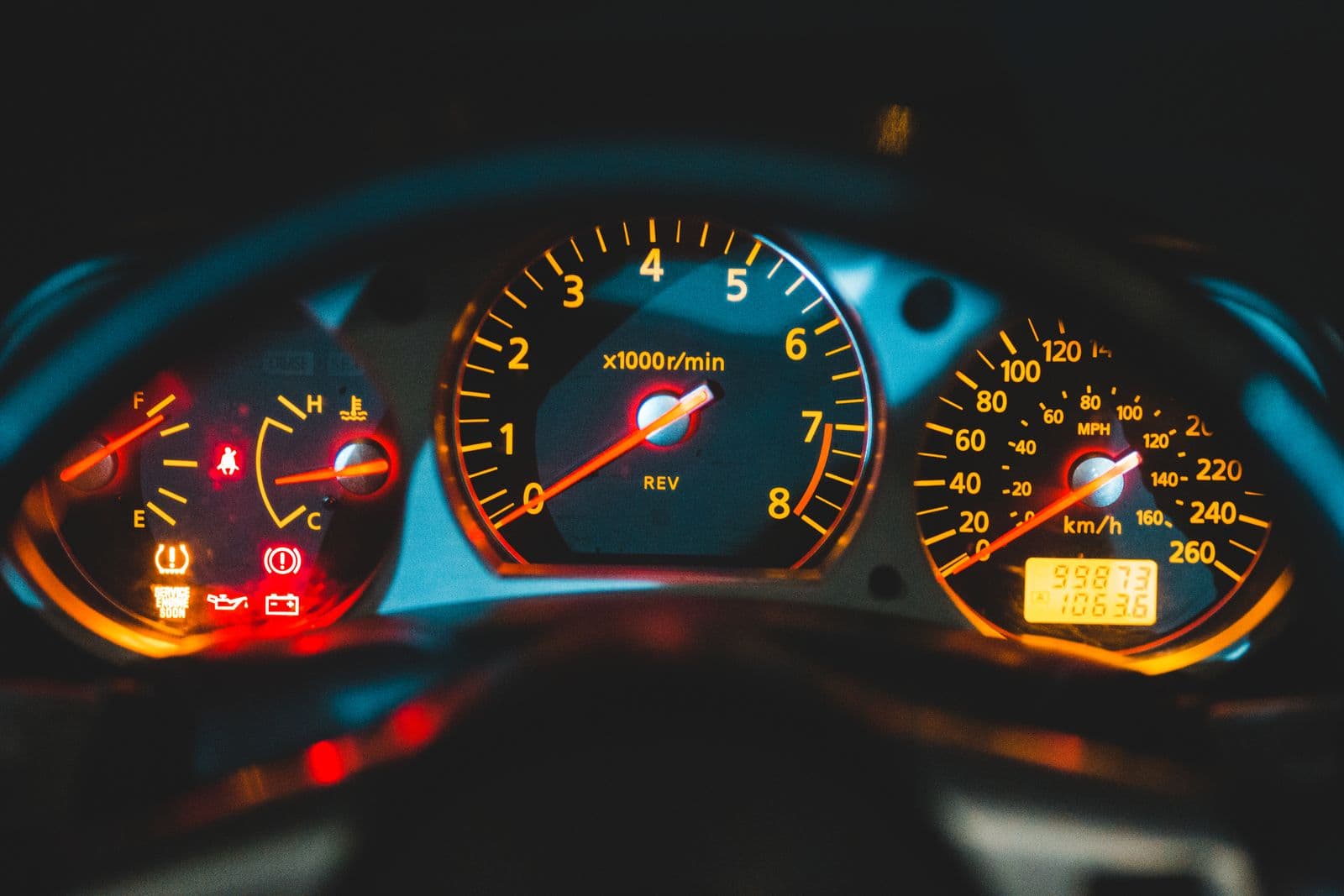
Modern cars are full of sensors, and when something isn't right, a warning light appears on the dashboard. The trouble is that most of us never learnt what they all mean, so it is easy to either panic over something minor or ignore something serious. This guide breaks down the common lights and, just as importantly, how urgent each one is.
A simple rule to start with: warning lights generally follow traffic-light colours. Red means stop and act now. Amber or orange means get it checked soon. Green or blue is just information, telling you a system is on.
Red lights: stop and act now
Oil pressure warning
Usually shaped like an old-fashioned oil can. This means your engine may have lost oil pressure, which can destroy an engine very quickly. If it comes on, pull over safely as soon as you can and switch off the engine. Don't keep driving.
Engine temperature warning
Often a thermometer symbol, sometimes red. It means the engine is overheating. Continuing to drive risks serious, expensive engine damage. Pull over, let it cool, and don't open the radiator cap while hot. On a stinking hot Adelaide day, overheating is more common than you might think.
Battery or charging warning
A battery-shaped symbol means your charging system isn't keeping the battery topped up, often a failing alternator or belt. The car may keep running for a while on battery power alone, then stop. Get it looked at promptly.
Brake warning light
A red brake light can mean low brake fluid, an ABS issue, or simply that the handbrake is on. If the handbrake is fully off and it stays on, treat it seriously and get the brakes checked.
Amber lights: get it checked soon
Check engine light
The famous one. This covers a huge range of issues, from something as minor as a loose fuel cap to a genuine engine or emissions fault. If it is steady and the car drives normally, you can usually keep driving but get it scanned soon. If it is flashing, that signals a more serious problem, so ease off and get it checked promptly.
ABS warning light
Your anti-lock braking system has a fault. Your normal brakes still work, but the anti-lock function that prevents skidding under heavy braking may not. Get it checked, especially before any long trips.
Tyre pressure warning (TPMS)
On cars fitted with it, this means one or more tyres is low on pressure. Check and adjust your pressures, and inspect for a slow leak or a nail. Don't ignore it, low pressure affects handling, fuel use and tyre wear.
A scan tells the real story
Many amber lights, especially the check engine light, store a fault code that a diagnostic scan can read. That code points straight to the area of the problem and saves guesswork. At Speed Service we can scan your car and explain what's going on in plain English.
Rather have us take a look?
We do this sort of work every day at our Salisbury workshop. Bring the car in for an honest assessment and a clear quote before anything happens — no surprises, no pressure.
Green and blue lights: just information
These are not warnings. Green usually confirms a system is active, like your indicators, headlights or cruise control. Blue typically means your high-beam headlights are on. Nothing to worry about, just keep an eye on the high-beam light so you're not dazzling oncoming drivers.
When to take it seriously
- Any red light: stop safely and address it before driving on
- A flashing check engine light: a serious fault, get it checked promptly
- An amber light that stays on: book a check in the next few days
- Multiple lights at once: have the car diagnosed properly
If a light has appeared and you're not sure what it means or how urgent it is, don't guess. Pop into Speed Service at 99 Cross Keys Rd, Salisbury, or call 0481 309 775. We'll scan the car, tell you exactly what's triggering the light, and what it'll take to fix it.
Frequently asked questions
Is it safe to drive with the check engine light on?
If the light is steady and the car drives normally, it is usually safe to drive to a workshop to get it scanned soon. If it is flashing, that signals a more serious fault, so drive gently and get it checked promptly.
What does a red dashboard light mean?
Red generally means stop and act now. Lights like oil pressure, engine temperature and the charging system warning can signal damage in progress. Pull over safely, switch off if needed, and get advice before driving on.
Can you tell what's wrong just from the light?
The light tells us the system involved, but a diagnostic scan reads the stored fault code that points to the exact cause. We can scan your car at the shop and explain the result in plain English.