Written by Speed Service
Honest, hands-on advice from our workshop at 99 Cross Keys Rd, Salisbury.
We review our guides as workshop advice and Australian road rules change.
The short version
Short on time? Here's what this guide covers — scroll on for the detail.
- Check your tyres, including the spare
- Check your fluids
- Test your brakes
- Check lights, wipers and battery
- Pack an emergency kit
- Plan for the conditions
Not sure where your car's at? We'll check it for you — call 0481 309 775.
There's nothing quite like an Australian road trip, whether you're heading up to the Flinders Ranges, across to the coast, or doing the long haul interstate. But our distances are huge and help can be a long way away, so a breakdown out on a remote stretch is far more than an inconvenience. A bit of preparation before you leave makes all the difference.
Here's a straightforward checklist to run through before you load up the car.
Check your tyres, including the spare
Tyres are your only contact with the road, and they work hardest on a fully loaded car at highway speed in summer heat. Before you go:
- Check the tread depth, the legal minimum is 1.5 mm but more is far safer on long trips
- Set tyre pressures to the correct level, and increase them slightly for a heavy load as listed in your car's placard
- Look over each tyre for cuts, bulges, cracking or uneven wear
- Don't forget the spare, check its pressure and condition too, and that you have the tools to change it
Check your fluids
Pop the bonnet and check the essentials, or have them checked for you:
- Engine oil, at the right level and not overdue for a change
- Coolant, critical for avoiding overheating in summer heat
- Brake fluid
- Windscreen washer fluid, you'll use plenty clearing bugs and dust
Rather have us take a look?
We do this sort of work every day at our Salisbury workshop. Bring the car in for an honest assessment and a clear quote before anything happens — no surprises, no pressure.
Test your brakes
Long descents, heavy loads and constant highway speed put real demand on your brakes. If you've noticed any squealing, grinding, vibration or a soft pedal, get them checked before you leave, not halfway up a mountain pass.
Check lights, wipers and battery
- Test all lights: headlights, brake lights, indicators and reversing lights
- Check your wiper blades clear the screen cleanly, sun-perished blades are useless in sudden rain
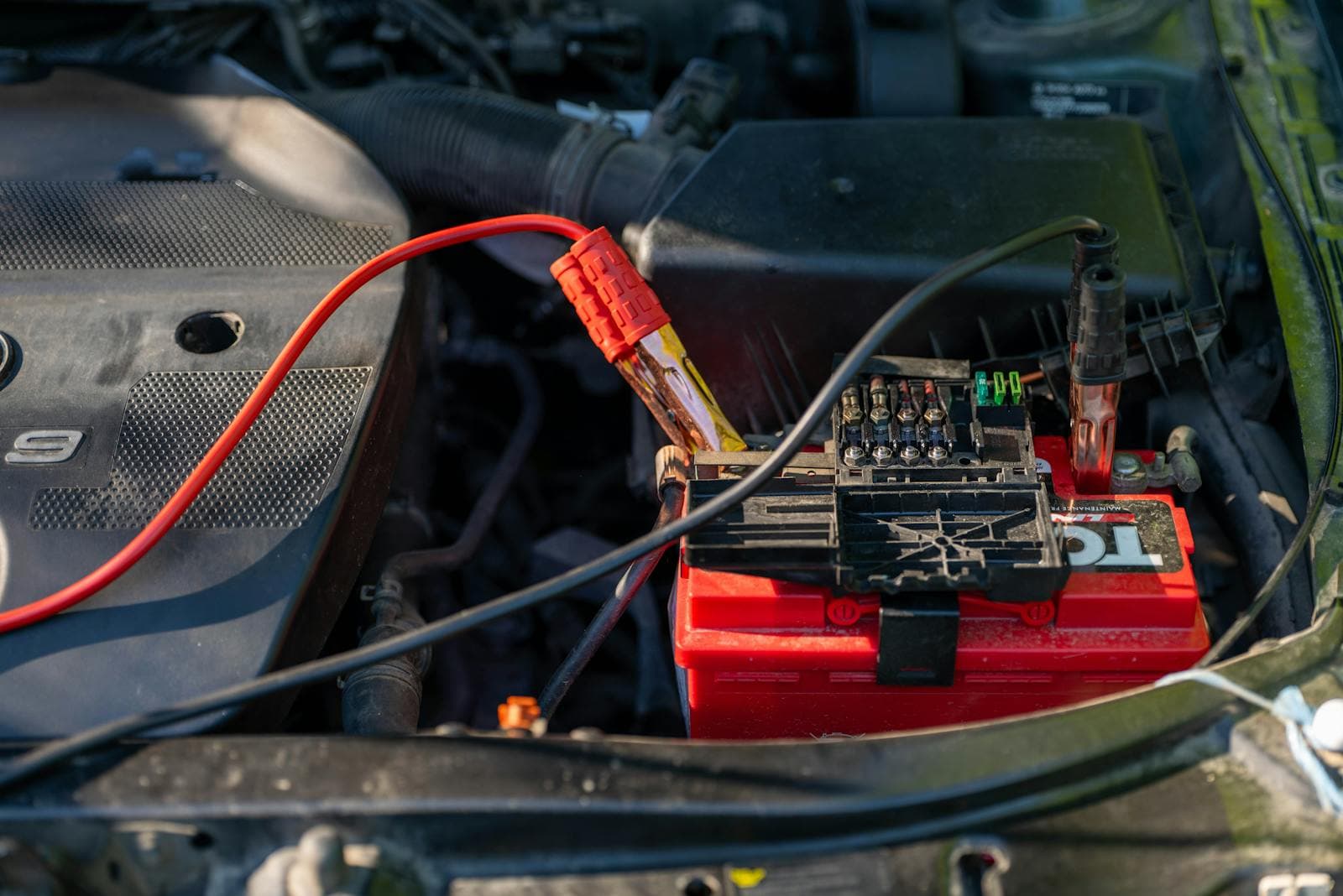
- Have the battery tested if it's more than three years old, you don't want it failing far from home
Pack an emergency kit
Even a well-prepared car can have a problem, and out on remote roads you may wait a while for help. A basic kit is cheap peace of mind:
- Plenty of drinking water, especially in summer
- A basic first-aid kit
- A torch and spare batteries
- A jacket or blanket, and some non-perishable snacks
- Jumper leads or a jump-start pack
- A reflective warning triangle and a hi-vis vest
- Your roadside assistance details and a charged phone
Mobile coverage gets patchy
Once you leave the main highways in South Australia, phone coverage can drop out completely. Tell someone your route and expected arrival time, carry extra water, and don't rely on your phone for navigation alone. In really remote areas, consider a satellite messenger or EPIRB.
Plan for the conditions
Check the weather and road conditions for your route, plan your fuel stops (some country towns have limited hours), and don't push on when you're tired. Driver fatigue is one of the biggest dangers on long Australian drives, so swap drivers or take regular breaks.
Get a pre-trip check before you go
The easiest way to leave with confidence is to have the car given a once-over by a mechanic. We can check your tyres, brakes, fluids, battery and more in one visit, and fix any issues before they leave you stranded. Drop into Speed Service at 99 Cross Keys Rd, Salisbury, or call 0481 309 775 to book a pre-trip inspection before your next adventure.
Frequently asked questions
Should I increase my tyre pressure for a road trip?
If you're carrying a heavy load or towing, yes. Most cars list a higher recommended pressure for heavy loads on the tyre placard (usually inside the driver's door). Set them when the tyres are cold for an accurate reading.
How early should I get a pre-trip check?
Aim for a week or two before you leave. That gives time to order any parts and sort out repairs without a last-minute rush, so you're not delaying your departure.
What's the most important thing to check before a long drive?
Tyres and brakes are the big two for safety, with fluids close behind, especially coolant for our summer heat. The best move is a full pre-trip inspection that covers all of them at once.