Written by Speed Service
Honest, hands-on advice from our workshop at 99 Cross Keys Rd, Salisbury.
We review our guides as workshop advice and Australian road rules change.
The short version
Short on time? Here's what this guide covers — scroll on for the detail.
- The tread is worn down
- The tyres are getting old
- Cracking in the rubber
- Bulges or blisters on the sidewall
- Vibration or a wobble while driving
- Frequent pressure loss
- Uneven wear that won't go away
Not sure where your car's at? We'll check it for you — call 0481 309 775.
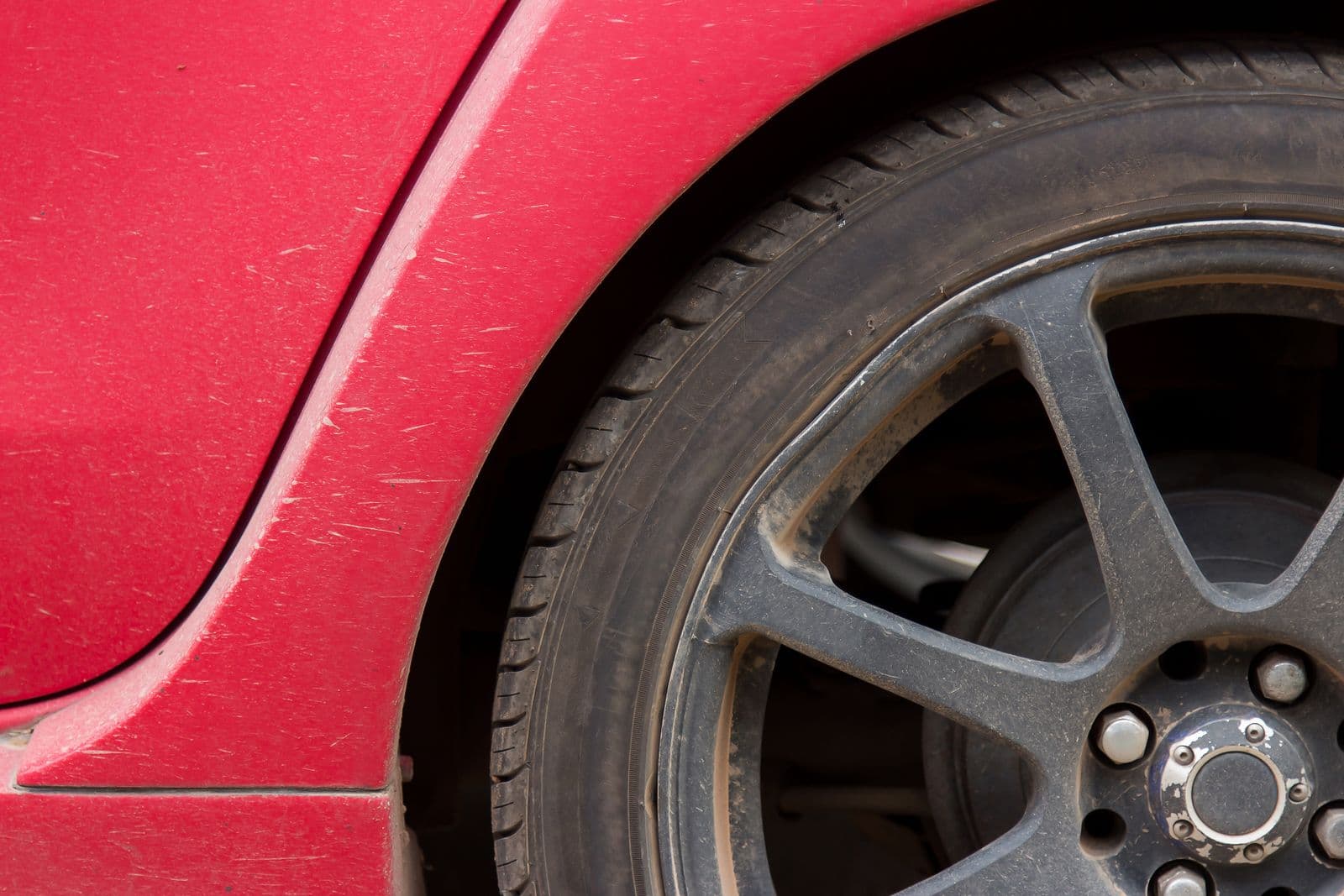
Tyres don't last forever, but they rarely fail without warning. If you know what to look for, you can replace them on your terms rather than on the side of the road with a blowout. Tyres wear from use, but they also age and degrade even when they're barely driven.
Here are seven tell-tale signs it's time for a new set. If any of these sound familiar, it's worth a quick check with the team at Speed Service in Salisbury.
1. The tread is worn down
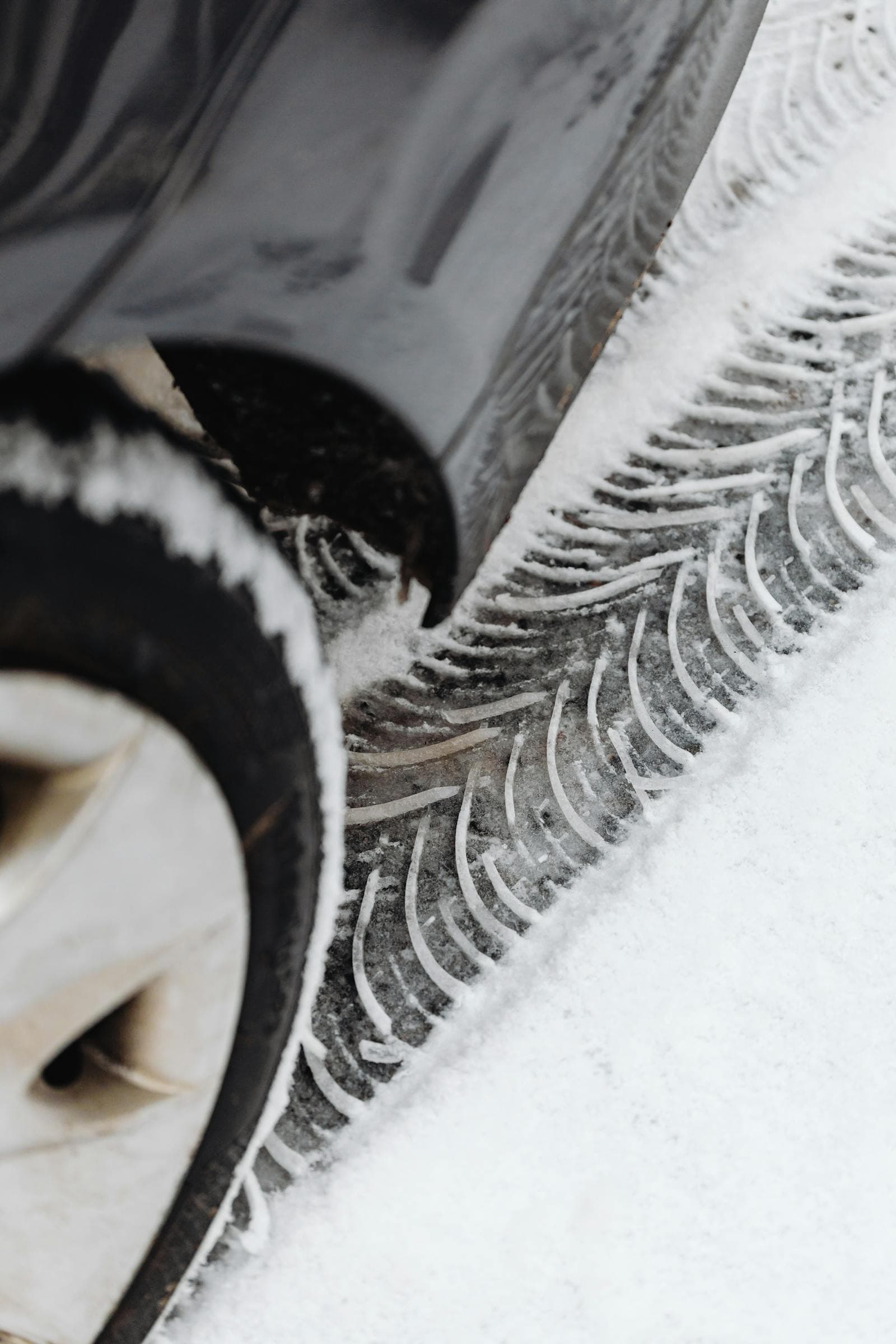
This is the most obvious one. Once your tread reaches the moulded wear bars (1.5mm, the Australian legal minimum) the tyre is finished. Most drivers should plan to replace closer to 3mm for safer wet-weather braking.
2. The tyres are getting old
Rubber degrades over time regardless of tread. As a rule of thumb, tyres should be replaced at around 10 years old at the absolute most, and many manufacturers suggest considering replacement from 5 to 6 years. You can find the age stamped on the sidewall as a four-digit DOT code: the first two digits are the week and the last two are the year. '2419' means the 24th week of 2019.
Check the date on a 'bargain' tyre
If you're buying used or discounted tyres, always check that DOT date code. A tyre that's been sitting in a warehouse for six years has already used up much of its useful life, no matter how much tread it has.
Rather have us take a look?
Pop in for a tyre and tread check while you wait — we can repair a safe puncture here, and we'll point you to a trusted specialist if you need replacement tyres or alignment.
3. Cracking in the rubber
Look along the sidewalls and in the tread grooves for fine cracks, often called weather checking or dry rot. Adelaide's hot summers and UV exposure speed this up, especially on cars that sit outside. Once the rubber is cracking, the tyre's structure is compromised.
4. Bulges or blisters on the sidewall
A bulge means the internal structure of the tyre has been damaged, often from a hard kerb strike or pothole. A bulging tyre can let go at any moment and should be replaced immediately, even if the tread looks perfect.
5. Vibration or a wobble while driving
Some vibration can come from wheels that need balancing, but persistent vibration can also signal internal tyre damage or uneven wear. If a new wheel balance doesn't fix it, the tyre itself may be the problem.
6. Frequent pressure loss
If one tyre keeps going flat or needs topping up far more often than the others, it may have a slow leak from a puncture, a corroded rim or a perished valve. Sometimes it's a cheap repair; sometimes the tyre is beyond saving.
7. Uneven wear that won't go away
Tyres worn more on one edge, in the centre, or in patches point to alignment, pressure or suspension issues. If wear is severe, the tyre needs replacing, and the underlying cause needs fixing too, or your new tyres will wear out just as fast.
Get a second opinion
Not sure whether your tyres have life left in them? Bring your car to Speed Service at 99 Cross Keys Rd, Salisbury, or call 0481 309 775. We'll give you an honest assessment, and if your tyres are fine, we'll tell you so.
Frequently asked questions
How old is too old for a tyre?
Most manufacturers recommend replacing tyres at around 10 years maximum, and reviewing them from 5 to 6 years. Check the four-digit DOT date code on the sidewall.
Is a bulge in my tyre dangerous?
Yes. A sidewall bulge means the internal structure is damaged and the tyre could fail suddenly. Replace it as soon as possible, even if the tread is fine.
Why does only one of my tyres keep going flat?
It usually means a slow leak from a puncture, a corroded rim, or a perished valve. Have it inspected; some are a quick repair, others mean replacement.